Kingston Hill rubbish removal guide for large items
Posted on 07/05/2026
Trying to move a bulky sofa down a narrow hallway at the end of a long week? Or maybe there's an old wardrobe, bed frame, or broken treadmill sitting in the spare room, quietly turning into "that thing we keep meaning to deal with." This Kingston Hill rubbish removal guide for large items is here to make the process feel a lot less daunting. Whether you're clearing a flat near the Hill, dealing with a house move, or simply trying to reclaim some space, the key is knowing what counts as bulky waste, how local collection options work, and what to do before you lift a single corner.
Large-item disposal sounds simple enough on paper. In real life, it can involve awkward staircases, parking constraints, safety risks, and the annoying problem of items that are too heavy for one person but too awkward for two. The good news? With a little planning, you can handle it cleanly, safely, and without overcomplicating things. Below, you'll find a practical guide that covers the main routes, common mistakes, cost considerations, and the small details people often miss.
If you want broader context on local collection options, it can also help to skim the main rubbish collection in Kingston page and the wider services overview before you decide what kind of removal is right for your situation.
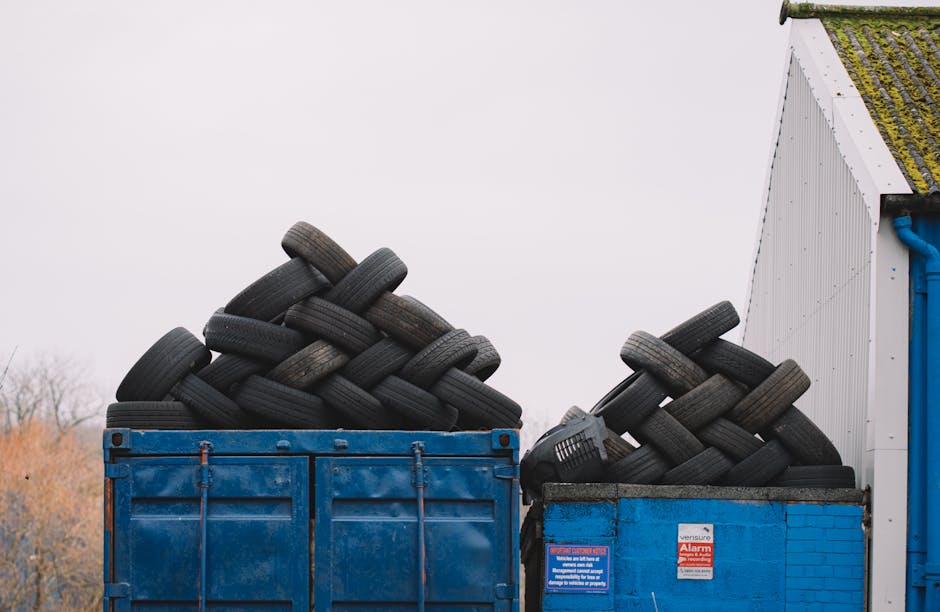
Why Kingston Hill rubbish removal guide for large items Matters
Large-item clearance is one of those jobs that looks straightforward until the first snag appears. A sofa might fit through the front room, but not around the landing. A fridge might be easy to drag across tiles, but a nightmare on carpeted stairs. And if you live in or around Kingston Hill, access can matter just as much as the item itself: parked cars, narrow approaches, shared entrances, and time-sensitive loading all shape how the job should be handled.
That's why a solid local guide matters. It helps you choose the right disposal route, avoid injury, and reduce wasted time. It also nudges you towards the most sensible outcome for the item itself. Not everything needs to go straight to landfill, to be fair. Some bulky items can be reused, repaired, donated, or recycled depending on condition and material.
There's another reason this topic matters now. People in Kingston Hill often have a mix of housing types - flats, terraces, family homes, and older properties with less generous access. The practical difference between clearing a mattress from a ground-floor room and removing a section of damaged cabinetry from the top floor can be huge. A good plan saves effort, but it also avoids the kind of awkward half-finished situation where the item is already outside, blocking the path, and everyone is suddenly "thinking about it."
If you're comparing removal routes, the general waste removal Kingston page is a useful companion, especially if your large-item job includes mixed household rubbish, not just one bulky piece.
How Kingston Hill rubbish removal guide for large items Works
In simple terms, large-item rubbish removal usually follows one of three routes: council-style bulky waste collection, private rubbish removal, or drop-off/haul-it-yourself disposal. Each has a different balance of convenience, cost, and effort.
For bulky items, the process normally starts with identifying what you have. A sofa, wardrobe, bed base, dining table, exercise bike, or garden furniture set may all be treated differently depending on material, condition, and whether the item can be dismantled. From there, you decide whether the best option is to book a collection, arrange a same-day clearance, or take the item apart and dispose of it in smaller pieces.
Private collection services often work well for items that are awkward, heavy, or multiple in number. This is where a team can remove furniture from inside the property, handle lifting, and take care of transport. For more involved clearances, especially if you're dealing with a room full of old furniture or post-refurbishment debris, the approach may overlap with house clearance in Kingston or even builders waste disposal in Kingston if the items come from renovation work.
Truth be told, most people don't need a complicated process. They need a clear plan: measure, sort, move safely, and choose the right service level. Once that's in place, the whole job becomes much more manageable.
Key Benefits and Practical Advantages
There's a reason people look up large-item removal instead of simply trying to "sort it later." A good removal plan brings immediate benefits, and not just the obvious ones.
- Less physical strain: You avoid lifting something that really should be moved by two people, not one determined but slightly overconfident neighbour.
- Safer handling: Bulky waste can scratch floors, damage walls, and cause injuries if it shifts unexpectedly.
- Faster clearance: A planned collection is far more efficient than making repeated trips to figure out where the item should go.
- Better space recovery: Removing one oversized item can instantly change how usable a room feels.
- Cleaner finish: Professional removal usually leaves less mess than a rushed DIY attempt with a van, straps, and crossed fingers.
- Improved sorting outcomes: Furniture and appliances can often be separated for recycling or reuse if handled properly.
There's also a subtle benefit that people often underestimate: peace of mind. One large item sitting in the wrong place can make a whole room feel unfinished. Once it's gone, everything settles. The room looks lighter, the path is clear, and you stop noticing it every time you walk past. Small thing, big relief.
For readers who care about disposal quality and environmental responsibility, the recycling and sustainability page is a good reference point for how responsible disposal fits into the bigger picture.
Who This Is For and When It Makes Sense
This guide is useful for anyone in Kingston Hill who has a large or awkward item they can't reasonably move alone. That includes homeowners, tenants, landlords, estate managers, letting agents, and small businesses with bulky fixtures to remove.
Typical situations include:
- moving out of a flat and leaving behind a bed, sofa, or wardrobe
- clearing a spare room after years of storage overflow
- replacing an old appliance that no longer works
- getting rid of garden furniture or sheds that have seen better days
- emptying a property before sale, refurbishment, or lettings changeover
- managing office furniture, filing cabinets, or reception pieces
It makes sense to use a professional or semi-professional removal service when the item is heavy, awkward, dirty, or too large for a standard car. It also makes sense when access is tricky. A narrow staircase, shared entrance, basement conversion, or top-floor flat can turn a "quick job" into an afternoon of regret. Nobody wants that.
If you're dealing with property turnover or preparing a home for sale, it can help to read a bit about the local area too. The posts on Kingston property guidance and buying property wisely in Kingston offer useful background on how local homes are often used, changed, and cleared over time. That context matters more than people think.
Step-by-Step Guidance
Here's a practical way to approach large-item removal without overthinking it. Keep it simple and work in order.
- Identify the item clearly. Is it furniture, an appliance, a fixture, garden waste, or construction debris? Different items may need different handling.
- Check its condition. If the item is clean and usable, it may be suitable for reuse, donation, or resale. If it's damaged, broken, or unsafe, plan for disposal instead.
- Measure access as well as the item. Door widths, hall bends, stair turns, lift size, and outside access can all affect removal. A tape measure is boring but very useful.
- Consider dismantling. Removing legs, doors, shelves, or drawers can make a huge item much easier to move. Save the screws in a small labelled bag.
- Separate recyclable parts where possible. Wood, metal, textiles, and electrical components are often handled differently.
- Choose the right disposal route. Decide between a private collection, a broader clearance job, or another appropriate route based on urgency and volume.
- Prepare the path. Move shoes, rugs, bins, and loose items out of the way. It sounds obvious, but this is exactly where avoidable accidents happen.
- Book a time that works. If you're in a busy street or a shared building, timing matters. Early slots can be easier for parking and access.
- Confirm what's included. Make sure the service covers loading, lifting, and disposal. Don't assume every quote includes the same things.
- Check the final result. Once the item is gone, make sure floors, walls, and nearby surfaces are intact and the area is left tidy.
A good rule of thumb: if the item feels awkward before you even touch it, don't improvise too much. Proper preparation beats heroic lifting. Every time.
Expert Tips for Better Results
After enough bulky removals, a few patterns become very clear. These are the small things that make a job smoother.
- Photograph the item before you book. This helps with quoting and avoids surprises when the team arrives.
- Group similar items together. If you're clearing several pieces, keep furniture in one area and misc rubbish in another.
- Think about access at street level. A perfect internal plan won't help much if the van can't get close enough.
- Protect floor surfaces. Old wood floors, polished stairs, and laminate can be marked very easily. Blankets or boards can help.
- Ask about reuse and recycling first. If an item still has life left in it, a responsible route may be possible.
- Clear the item's contents first. Wardrobes, desks, and drawers often contain more stuff than expected. Classic situation, honestly.
One small local observation: in and around Kingston Hill, properties often mix older layouts with modern lifestyles, which means bulky items can be part of a bigger, slightly messy change. A new sofa arrives, the old one has nowhere to go, and suddenly the hallway becomes furniture storage. Best to deal with it quickly before it turns into a permanent feature.
If the task involves a full room or mixed household contents, you may also find the house clearance service useful, especially where a single-item approach is not enough.

Common Mistakes to Avoid
Large-item removal goes wrong in predictable ways. The good news is that most of them are easy to avoid.
- Underestimating size and weight: A sofa looks lighter until you need to carry it down stairs.
- Ignoring access issues: Measure doors, gates, corridors, and stairwells before collection day.
- Forgetting about hidden contents: Furniture can contain books, cables, coins, batteries, and all sorts of things.
- Using the wrong vehicle: Not every item fits in a car or small van without proper planning.
- Mixing unrelated waste together: This can complicate sorting and may affect how the waste is handled.
- Waiting until the last minute: Rushed bookings often mean more stress and fewer options.
- Assuming all disposal routes are identical: They are not. Convenience, cost, and environmental handling can vary a lot.
Another common trap is thinking dismantling always solves everything. Sometimes it does. Sometimes the item becomes two awkward items instead of one. Funny how that works. If you're not sure, stop and assess before you start removing screws at random like a frustrated DIY detective.
Tools, Resources and Recommendations
You do not need a workshop's worth of equipment to manage a large-item clear-out, but a few simple tools can make the job much easier.
- Measuring tape: Essential for checking item size and access routes.
- Work gloves: Useful for grip and protection from splinters, sharp edges, and grime.
- Blankets or floor covers: Helpful for protecting flooring during movement.
- Screwdriver set or Allen keys: Good for dismantling flat-pack furniture, bed frames, or modular shelving.
- Labels or bags for fixings: Keeps screws and brackets together if you are partly disassembling items.
- Tape: Handy for securing loose doors, drawers, or cables.
As for service resources, the most relevant pages to review before booking are the pricing and quotes page, the insurance and safety information, and the about us page if you want to understand the company's approach before you hand over a heavy item and let someone carry it down the stairs.
If your large-item clearance includes garden furniture, old fencing sections, or outdoor debris, the dedicated garden waste removal in Kingston page may be more relevant than a general household rubbish page. Matching the service to the waste type usually leads to a better outcome.
Law, Compliance, Standards, or Best Practice
Large-item disposal in the UK should always be approached with sensible care around waste handling, duty of care, and safe transport. You do not need to be a compliance expert to do this properly, but you do need to avoid casual assumptions.
At a practical level, the main best-practice points are:
- use a reputable service that can handle waste responsibly
- avoid leaving bulky items on pavements or shared access areas unless collection has been arranged
- separate electrical items, sharp materials, and mixed construction waste where needed
- check whether items can be reused or recycled before treating them as general rubbish
- make sure lifting and carrying are done safely, especially in communal buildings
For businesses, landlords, and managing agents, the standard of care is even higher. Tenancy changeovers, office clearances, and post-refurbishment work can all create extra obligations around tidiness, access, and responsible disposal. If that sounds like your situation, the dedicated office clearance Kingston page may be worth a look, along with the company's terms and conditions so you know what is and isn't covered.
For readers who want reassurance around how data and payments are handled, the site also provides straightforward support pages such as payment and security and the privacy policy. Those pages are not glamorous, but they matter. A lot.
Options, Methods, or Comparison Table
Choosing the right removal method often comes down to speed, effort, item size, and whether you want someone else to do the lifting. Here's a simple comparison.
| Method | Best for | Main advantage | Main drawback |
|---|---|---|---|
| DIY disposal | Small bulky items you can safely move yourself | Can be low cost if you already have transport | Heavy lifting, time, fuel, and disposal effort all fall on you |
| Scheduled bulky collection | One or two items with flexible timing | Convenient and organised | May require you to manage access and waiting time |
| Private removal service | Large, heavy, awkward, or multiple items | Hands-on help, loading, and quicker turnaround | Usually costs more than doing it yourself |
| Full clearance | Rooms, properties, or mixed contents | Best for bigger decluttering jobs | May be more than you need for a single item |
If the item is simple and light enough, DIY can work. But if you are juggling access problems, a time limit, or a genuinely bulky piece, a professional route is often the calmer choice. Less drama. Fewer chipped walls. A better result all round.
Case Study or Real-World Example
Here's a realistic example. A Kingston Hill resident is replacing a large corner sofa in a first-floor flat. The old sofa is still intact, but it will not fit around the stair landing in one piece. The hallway is narrow, the lift is too small, and the building has shared access times, so a last-minute attempt would be a headache.
The sensible plan is straightforward: measure the sofa and the turning points, remove any detachable legs, take photos for the booking, and arrange a collection with enough time to manage access. If the sofa is still usable, it may be suitable for reuse or donation. If not, it goes as bulky waste. Either way, the key is not to start carrying it before you know it can actually get out of the building.
What tends to happen in these cases is that the job feels massive right up until the right plan is in place. Then it's just another careful, ordinary collection. That's the difference planning makes. Not exciting, maybe, but very effective.
If the same household later clears a bedroom, a shed, and a pile of mixed unwanted items, the job may shift into broader waste removal or even a more complete clearance approach. The right answer can change from one visit to the next, and that's perfectly normal.
Practical Checklist
Use this checklist before collection day. It saves time and prevents most avoidable problems.
- Identify exactly what needs removing
- Check whether the item is reusable, recyclable, or only suitable for disposal
- Measure the item and the access route
- Clear contents from furniture or storage units
- Decide whether dismantling is needed
- Move loose objects away from the route
- Protect floors and fragile surfaces
- Confirm the booking time and what the service includes
- Check parking or access arrangements if relevant
- Keep children and pets away from the removal path
- Inspect the area after the item is removed
Practical summary: the best large-item removal jobs are the ones planned in advance, measured properly, and matched to the right collection method. If you do those three things, you avoid most of the stress people usually associate with bulky waste.
Get a free quote today and see how much you can save.
Conclusion
A good Kingston Hill rubbish removal plan for large items is less about brute force and more about smart decisions. Measure first, choose the right disposal route, and don't underestimate the value of a tidy, safe removal path. That alone can turn a frustrating household job into something pleasantly uneventful, which is exactly what you want.
Whether you are clearing one oversized piece of furniture or handling a bigger property change, the main aim is the same: remove the item safely, responsibly, and with as little disruption as possible. That may sound simple, but in real life it makes a massive difference.
If you are ready to move from "I need to sort that out" to "done and dusted," the next step is usually just getting a clear, no-fuss quote and checking which service fits your situation best. And once the space is clear, honestly, it feels a bit like the room can breathe again.
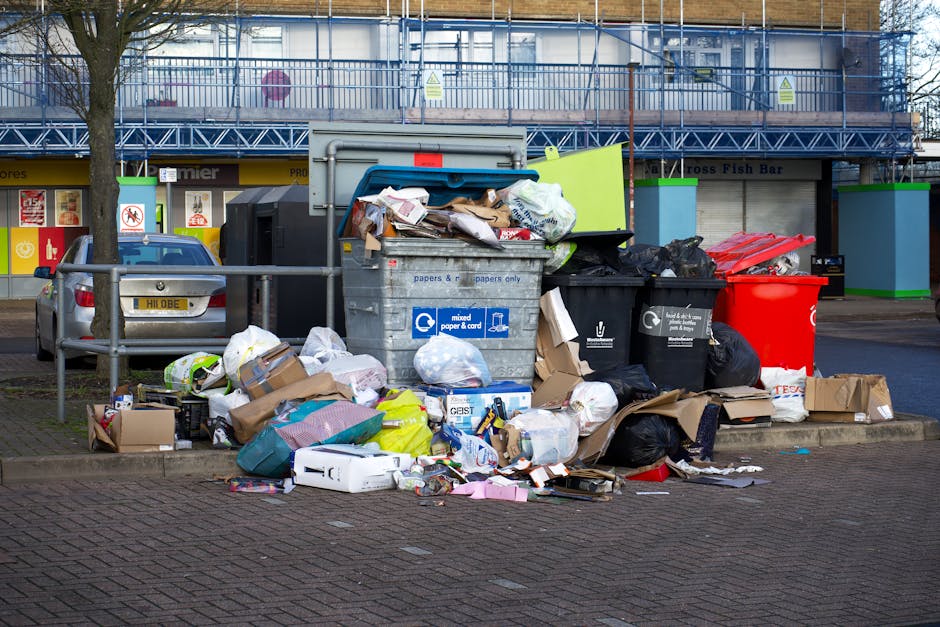
 Tipper Van - Waste Disposal and Rubbish Removal Prices in Kingston, KT1
 Luton Van -