Kingston council rules for rubbish collection and fines
Posted on 07/07/2026
Kingston council rules for rubbish collection and fines: what residents, landlords, and businesses need to know
If you live, rent, manage a property, or run a business in Kingston, rubbish rules can feel deceptively simple until something goes wrong. A bin is left out too early. A bulky item appears on the pavement. Waste is mixed incorrectly. Then the knock-on effect is usually delay, inconvenience, and sometimes a fine. Understanding Kingston council rules for rubbish collection and fines helps you avoid those problems before they start, and it also makes day-to-day disposal much easier. To be fair, most issues are preventable with a bit of planning.
This guide breaks down how the rules generally work, what usually causes enforcement action, what good practice looks like, and how to keep waste collection smooth whether you are clearing a flat in KT1, dealing with a renovation, or simply trying to stay on the right side of local rules. You will also find a checklist, practical examples, and a comparison table so you can make sensible decisions without wading through jargon.
Expert summary: In most cases, the safest approach is simple: present waste correctly, separate recyclable materials, keep pavements clear, and never assume that "just putting it beside the bin" is acceptable. If you are unsure, treat it as a compliance issue rather than a convenience issue.
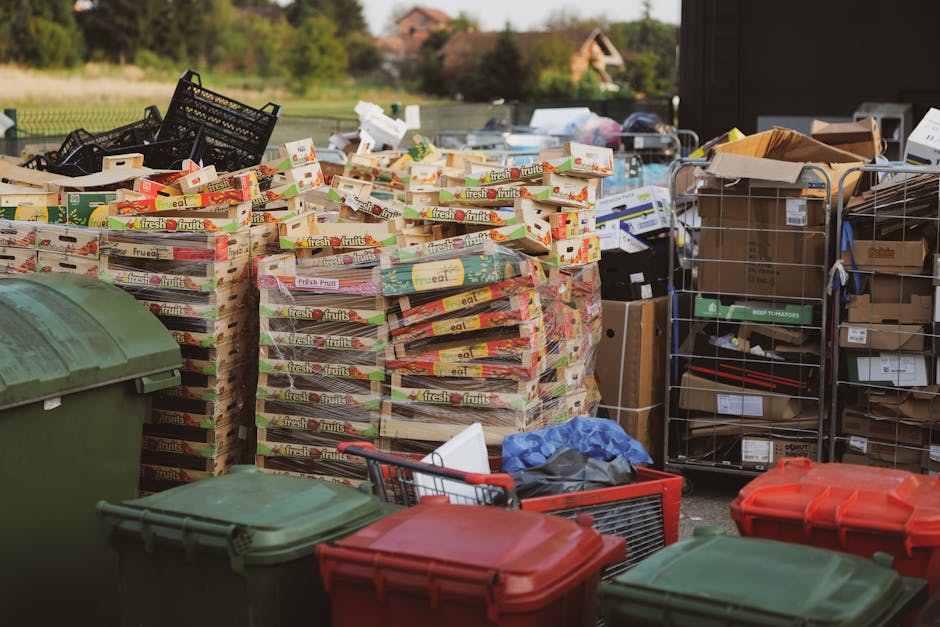
Why Kingston council rules for rubbish collection and fines Matters
Waste rules are not just about keeping the streets tidy, although that matters too. They affect public health, pest control, pedestrian access, recycling performance, and the general feel of a neighbourhood. In a place like Kingston, where you have busy town-centre streets, residential side roads, flats, terraces, and mixed-use properties, poor rubbish handling can become visible very quickly.
That is why council expectations around bins, sacks, side waste, bulky items, and trade waste are taken seriously. A single bag left beside a bin can be overlooked once. Repeated misuse, fly-tipping, or obstructive placement is a different story. Fines often come into the picture when there is a pattern of non-compliance, a hazardous obstruction, or clear evidence that waste was dumped rather than presented for collection.
There is also a financial angle that people sometimes miss. A small mistake can create a bigger cost than the original disposal would have. Missed collections, replacement containers, enforcement notices, clean-up charges, and extra time spent dealing with complaints all add up. If you are a landlord or managing agent, those costs can get messy fast, and not in a fun way.
For residents moving into the area, it helps to understand the local rhythm. Kingston has a mix of longer-established homes, newer apartments, and busy commuter streets, so the same disposal habit that works in one part of London may cause problems here. If you are settling in and want a broader feel for the area, you may also find the local perspective in local opinions on Kingston life useful.
How Kingston council rules for rubbish collection and fines Works
At a practical level, local waste rules usually revolve around a few straightforward ideas: present the right waste in the right container, at the right time, in the right place. That sounds obvious, but each part matters.
First, household waste and recycling need to be separated according to the council's collection system. If recyclables are contaminated with food waste, liquids, or the wrong materials, a collection may be refused or left uncollected. Second, bins and sacks should be put out only according to collection timing and local instructions. Leaving them on the pavement too early or leaving them out after collection can be treated as poor waste management.
Third, bulky waste and large items are not usually treated the same as ordinary household rubbish. Sofas, wardrobes, mattresses, white goods, builders' debris, and garden cuttings often need a dedicated service or a proper private collection route. Dumping them beside a communal bin is the sort of thing that tends to create complaints pretty quickly.
Fines and enforcement can happen in stages. In many situations, the first sign is a warning, a notice to remedy the issue, or a request to remove waste. If the problem continues, or if the waste presents a clear nuisance or hazard, enforcement action may follow. The exact process can vary by offence and circumstance, so it is wise to treat every notice seriously from day one.
Businesses need extra care. Trade waste is not household waste, and business premises often have separate responsibilities for storage, presentation, documentation, and collection frequency. If you run a shop, office, cafe, or workshop, a casual approach can become expensive surprisingly fast.
For people who want formal support with larger clear-outs, it may help to review the scope of waste collection services in Kingston and compare it against the kind of waste you actually produce. If your waste is mostly garden cuttings, for example, that is a very different situation from a construction strip-out or a full house clearance.
Key Benefits and Practical Advantages
Following the rules is not just about avoiding a penalty. There are real practical advantages, and they show up quickly once your waste routine is organised.
- Fewer missed or refused collections. Correctly presented waste is more likely to be taken first time.
- Less chance of enforcement action. Good habits reduce the likelihood of warnings, fines, or complaints.
- Cleaner streets and entrances. That matters whether you live in a house, block of flats, or a shared courtyard.
- Better recycling outcomes. Sorting waste properly keeps more material out of general rubbish.
- Lower stress during moves and clearances. You are not scrambling at the last minute because the pile is too large or in the wrong place.
There is a quieter benefit too: peace of mind. You know what goes where, and you are not constantly wondering whether the bin day rules have changed again. That alone can make a busy week feel less chaotic.
For property owners, there is also a reputational advantage. A tidy frontage, clean communal area, and well-managed waste point to a property that is being looked after. If you are planning to buy or manage in the area, the broader context in this Kingston property guide can be useful when thinking about practical maintenance as well as location.
Who This Is For and When It Makes Sense
This topic matters to more people than you might first think. It is not only for homeowners who forgot bin day.
Residents need it when bins overflow, when they are moving house, or when they need to dispose of bulky items safely. Renters need it because they may inherit a bin setup they do not fully understand, and shared housing can go wrong very fast if nobody agrees on what happens to bags, boxes, and recycling.
Landlords and letting agents need to know the rules so they can avoid complaints, maintain communal areas, and reduce the chance that tenants leave waste in a way that triggers action. Businesses need it because commercial waste obligations are often stricter in practice than people expect.
This also matters if you are carrying out renovations or property work. Builder's rubble, plasterboard, timber, and packaging should not simply be treated like household rubbish. If you are planning a refurbishment or demolition-type job, builders waste disposal in Kingston is a much more suitable route than guessing and hoping for the best.
And yes, it matters when you are short on time. That Friday evening moment when the flat looks like a packing explosion and you are staring at three black sacks, an old chair, and a broken shelf. Been there? Many people have. The answer is usually not panic. It is just using the right disposal route.
Step-by-Step Guidance
If you want to stay compliant and avoid fines, a simple method works best. Not glamorous, but reliable.
- Identify the waste type. Is it general household rubbish, recycling, garden waste, bulky waste, or trade waste?
- Check whether it belongs in the normal collection. Many items do not. Mattresses, fridges, builders' debris, and large furniture usually need separate handling.
- Separate recyclable materials. Keep paper, cardboard, plastics, glass, and food-contaminated items apart as required.
- Bag or contain waste properly. Loose rubbish is more likely to spill, attract pests, or be treated as carelessly presented waste.
- Put bins out at the correct time. Early placement and late removal are common reasons for complaints.
- Keep pavements and access routes clear. Shared walkways, narrow streets, and entrances matter a lot in Kingston.
- Arrange a separate solution for bulky or unusual items. Do not assume they can sit with the wheelie bin forever. They cannot.
- Record what you arranged if you are a landlord or business. A simple log of collections and disposal dates can save a headache later.
If you are unsure about access, timing, or the practical side of collection, it can help to read about rubbish collection in narrow Kingston streets. In older streets and tighter residential roads, the wrong placement is often the difference between an easy collection and a blocked one.
A quick note: if waste is already causing obstruction, the best move is to act quickly rather than wait for the next scheduled bin day. Small delays can become larger problems, especially in shared or high-footfall areas.
Expert Tips for Better Results
Here is the part people often skip, then regret later. Small habits save the most trouble.
Tip 1: Use a "waste staging" spot indoors. Keep a box, bag, or corner where items can be sorted before they hit the bin. It avoids the classic end-of-day panic where everything gets thrown together. Not ideal.
Tip 2: Separate bulky waste early. The moment you know an item will not fit normal collection, move it out of the regular flow. Waiting until the last minute makes people more likely to dump it beside a bin or in a hallway. That is where problems start.
Tip 3: Communal bins need house rules. If you live in a flat share or manage a block, agree on what happens with cardboard, black bags, food waste, and oversized items. One person's "I'll sort it later" becomes everyone else's issue.
Tip 4: Photograph suspicious waste placement. For property managers, a quick timestamped photo can be useful if there is confusion about when waste was left, by whom, or whether it was presented correctly.
Tip 5: Use proper collection for seasonal jobs. Garden clear-ups, pre-move decluttering, and office shifts often generate more waste than expected. A dedicated service can be cheaper than repeated missed attempts or a fine. If your waste is mostly outdoor cuttings, consider garden waste removal in Kingston rather than treating it like ordinary rubbish.
Tip 6: Keep an eye on hidden extras. Some of the frustration in rubbish disposal comes from surprise charges for access, heavy lifting, or additional volume. A clear written quote makes life easier. You can see how that is handled in this guide to avoiding hidden charges.
In our experience, people rarely get fined because they were trying to be difficult. More often, they were rushed, unsure, or relying on a "that'll probably be fine" assumption. The assumption is the problem.
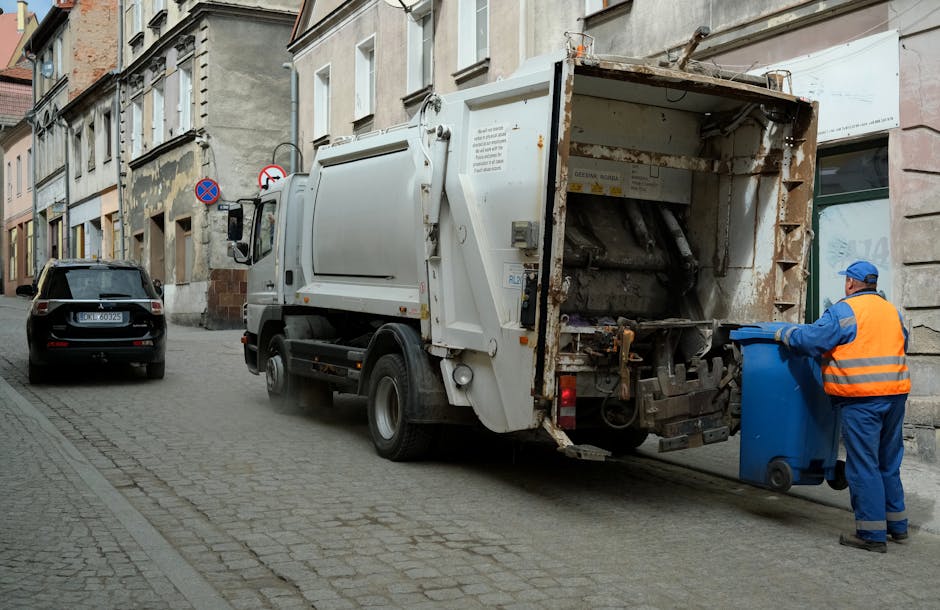
Common Mistakes to Avoid
Most penalties and collection problems can be traced back to a small handful of recurring mistakes.
- Leaving side waste beside bins. Extra bags, loose cardboard, and broken items left next to containers are often a red flag.
- Using public space as a holding area. A pavement, alley, or communal doorway is not a temporary storage zone.
- Mixing the wrong materials. Food waste in recycling, hazardous items in general rubbish, or rubble in household bags all create avoidable issues.
- Dumping bulky items in stages. People sometimes place an item outside "just for now" and return later. Enforcement doesn't always see it that way.
- Ignoring a notice. If a warning, instruction, or removal request is issued, act quickly.
- Assuming builders can use normal waste arrangements. Renovation debris needs a proper disposal route.
There is also the classic one: overfilling the bin and slamming the lid shut like that somehow makes it acceptable. It does not. The bin is still full. The lid is still open. The rules are still there.
For heavier or awkward items, it can be smarter to compare collection methods in advance. Some jobs are straightforward, while others need a more flexible option. If you are dealing with awkward furniture or larger items, this guide to large-item removal around Kingston Hill is a useful read.
Tools, Resources and Recommendations
You do not need fancy tools to stay compliant, but a few simple things make waste management much easier.
- Bin labels or notes. Helpful in shared homes and communal buildings.
- A phone reminder. Collection day slips are common, especially if you are travelling or working odd hours.
- Reusable sacks or boxes. Good for sorting cardboard, paper, and small recyclables before disposal.
- A basic inventory list. Very useful during clearances and move-outs.
- Photos before collection. A simple visual record helps if there is a later dispute.
For people planning larger disposal jobs, it is also worth looking at practical service fit. A house clearance has different needs from an office move, and both differ from a garden tidy-up. If you are comparing options, house clearance in Kingston and office clearance in Kingston are relevant routes depending on the setting.
And if you want to understand the broader approach to responsible disposal, the page on recycling and sustainability gives a sense of how waste separation and recovery should fit into everyday practice. It is not about being perfect. It is about doing the sensible thing consistently.
Law, Compliance, Standards, or Best Practice
Waste handling in the UK sits within a mix of local collection rules, environmental obligations, and general public-space responsibilities. You do not need to memorise legislation to behave well, but you should understand the basic principle: if you produce waste, you are responsible for disposing of it properly.
For householders, that means following collection instructions carefully. For landlords and businesses, it means going a step further and making sure waste is stored, presented, and removed in a lawful and organised way. The best practice standard is simple even if the legal details can be more nuanced: avoid nuisance, avoid obstruction, separate waste properly, and keep evidence of legitimate disposal where needed.
Commercial premises especially should treat waste as part of routine operations rather than an afterthought. If you are running a site where packaging, mixed rubbish, or bulky items build up regularly, align waste management with your opening hours, staff access, and collection frequency. That is far easier than trying to fix a backlog later.
Compliance also includes safety. Bags that are too heavy, broken glass left exposed, or waste placed where staff, residents, or pedestrians must squeeze past all create risk. If access is awkward or the load is awkward, it is better to plan a proper collection than to improvise. Really, improvising is where the nonsense begins.
Options, Methods, or Comparison Table
When people ask how to deal with rubbish in Kingston, they are often really asking which method fits the job. The right choice depends on volume, item type, access, speed, and whether the waste is domestic or commercial.
| Method | Best for | Typical strengths | Main limitations |
|---|---|---|---|
| Standard council-style household collection | Everyday general waste and recycling | Convenient, routine, predictable | Limited to accepted materials and timing rules |
| Bulky waste collection | Furniture, appliances, large household items | Suitable for awkward objects and one-off clear-outs | May need booking and item preparation |
| Garden waste removal | Cuttings, branches, light outdoor debris | Better separation and cleaner disposal route | Not for mixed renovation waste |
| House clearance | Full or partial property clear-outs | Handles volume and variety efficiently | Needs planning and access checks |
| Office clearance | Business moves, furniture, files, old equipment | Good for commercial turnaround | Often requires timing around trading hours |
| Builders waste disposal | Renovation debris and trade waste | Proper route for heavy, mixed, or dusty waste | Cannot be treated like normal household rubbish |
If you are choosing between methods, ask yourself three things: how much waste do I have, what type is it, and how quickly do I need it gone? That usually makes the decision obvious.
For people in busier parts of the borough, practical access matters as much as the waste type. A flat on a busy road, a shop near the centre, or a property with limited loading space may need a more flexible approach. You can see related local considerations in this KT1 central area guide and, for weekend timing questions, this weekend collection article.
Case Study or Real-World Example
Picture a small terraced property in Kingston with a tenant moving out on a Thursday afternoon. There is a dismantled bed frame, a damaged chair, a stack of flattened boxes, and several black bags. The obvious temptation is to put everything near the communal bins and hope collection day sorts it out.
Instead, the sensible route is to separate the cardboard, bag the general waste correctly, and arrange proper removal for the furniture. The bed frame is too awkward for ordinary household collection. The chair might be bulky waste. The cardboard may be recyclable if it is clean and dry. The black bags need to be secure and placed where they will not block access.
In that scenario, the property is less likely to attract complaints from neighbours, the waste is more likely to be collected efficiently, and the landlord has a cleaner handover. If a notice is issued because waste was placed incorrectly, the problem becomes administrative as well as physical. Nobody wants to spend a Monday morning arguing about a mattress on the pavement. Nobody.
A similar pattern happens with small businesses. A shop refit can produce packaging, display materials, old stock, and broken fixtures all at once. If that waste is left to pile up, it can quickly look like fly-tipping, even if nobody intended it that way. That is where planning ahead really pays off.
Practical Checklist
Use this checklist before you put anything out for collection:
- Have I identified the waste type correctly?
- Does this item belong in normal household collection?
- Have recyclable materials been separated from general rubbish?
- Are bags sealed and not overfilled?
- Is the bin area clear and accessible?
- Will anything be left on the pavement, kerb, or shared entrance?
- Do I need a bulky waste, garden waste, house clearance, or builders waste solution instead?
- Have I checked collection timing so the waste is not out too early?
- Do I need to keep a record or photo for a landlord, agent, or business file?
- If in doubt, have I chosen the safer disposal option rather than guessing?
If you are handling a one-off clear-out and want to see how a service fits your needs, the page on pricing and quotes can help set expectations before you commit. That is usually a calmer way to proceed than making decisions while standing next to a pile of unwanted furniture at dusk.
Conclusion
Kingston council rules for rubbish collection and fines are really about one central idea: waste should be managed safely, neatly, and responsibly. Most problems come from rushing, assuming, or using the wrong disposal method for the job. If you sort waste properly, time it well, and choose the right route for bulky or specialist items, you avoid a lot of hassle.
That matters whether you are a resident, landlord, tenant, office manager, or someone in the middle of a move. It is one of those dull topics that becomes very important the moment it goes wrong. The good news? It is fairly easy to get right once you know what to look for.
Get a free quote today and see how much you can save.
And if you take only one thing away from this guide, let it be this: a little waste planning now can save a lot of stress later. Nice and simple. That is usually how the best local routines work.
 Tipper Van - Waste Disposal and Rubbish Removal Prices in Kingston, KT1
 Luton Van -